Condition

Piles (haemorrhoids)

Piles are swollen veins in the anal canal. Most cases settle with the right treatment, and only some need surgery — the grade decides which.

Also known as: Haemorrhoids · Hemorrhoids · Arsha (Ayurveda) · Mulavyadhi

What piles are

Piles are cushions of blood vessels in the anal canal that everyone has. They become a problem when they enlarge, bleed or prolapse. They are extremely common, they are not cancer, and in most people they are manageable.

They are classified as internal (inside the anal canal, usually painless, typically present with bleeding) or external (under the skin at the anal opening, which can be painful, especially if a clot forms).

Internal piles are graded, and the grade drives the treatment:

  • Grade 1 — bleed but do not come out
  • Grade 2 — come out on straining, go back on their own
  • Grade 3 — come out and need to be pushed back manually
  • Grade 4 — stay out and cannot be pushed back

Symptoms to look for

  • Bright red bleeding during or after passing stool, usually painless
  • A lump or swelling at the anus
  • Itching, irritation or moisture around the anal area
  • A feeling that the bowel has not fully emptied
  • Mucus discharge
  • Pain — less common, and usually means a clot has formed or there is a fissure alongside

When to get it checked promptly

Please do not self-diagnose rectal bleeding. See a doctor without delay if you have:

  • Bleeding that is dark, mixed into the stool, or heavy
  • A persistent change in bowel habit
  • Unintended weight loss
  • Severe pain, fever, or a swelling that is enlarging
  • Bleeding and you are over 40, or have a family history of bowel cancer

These features do not mean you have something serious, but they do mean piles should not be assumed.

How we treat piles

Treatment is matched to the grade and to how much the symptoms affect you.

Conservative treatment

For most Grade 1 and many Grade 2 piles, this is enough:

  • Internal Ayurvedic medication to reduce inflammation and bleeding
  • Correcting constipation, which is the usual root cause
  • Sitz baths and local applications for symptom relief
  • Structured diet and fluid advice, with follow-up to check it is working

Kshara Karma

A classical Ayurvedic para-surgical technique in which a prepared alkaline caustic (kshara) is applied directly to the pile mass under vision. The mass shrinks and separates over the following days.

It is a clinic procedure, generally done without general anaesthesia, and recovery is usually quicker than conventional excision. It suits selected Grade 2 and Grade 3 piles.

Surgery

Where disease is advanced, complicated or has not responded, conventional surgical options are available in the same hospital, performed by our general surgical team. You are not sent elsewhere, and you are not pushed toward a procedure you do not need.

Preventing recurrence

The pile mass is the symptom; the straining is usually the cause. Treatment that ignores this tends not to hold.

  • Adequate dietary fibre, increased gradually
  • Enough water through the day
  • Do not delay the urge to pass stool
  • Limit time spent straining — and reading on the toilet
  • Regular movement, particularly if your work is seated
  • Treat persistent constipation properly rather than with long-term stimulant laxatives

Questions

Frequently asked questions

Can piles be cured without surgery?

Often, yes. First- and second-degree piles usually respond to medication, dietary correction and local treatment, without any procedure. Third- and fourth-degree piles, and piles that keep bleeding despite treatment, are more likely to need a procedure. The grade is what decides this, which is why an examination matters before anyone promises an outcome.

What is Kshara Karma and how is it different from surgery?

Kshara Karma is an Ayurvedic para-surgical procedure in which a specially prepared alkaline caustic paste is applied to the pile mass, causing it to shrink and slough off. It is done under vision in the clinic, usually without general anaesthesia, and most people return to routine work quickly. It is not suitable for every case — large prolapsing piles and complicated disease may still need conventional surgery, which we also perform.

How much does piles treatment cost in Bangalore?

Cost depends on the grade, the procedure chosen and whether a day-care admission is needed, so we do not quote a figure before examining you. We give you a written estimate at consultation, before anything is scheduled.

Is the bleeding from piles dangerous?

Bleeding from piles is usually bright red, painless and small in volume. But rectal bleeding can also come from fissures, polyps, inflammatory bowel disease or cancer, and those are not distinguishable by symptoms alone. Any rectal bleeding should be examined, particularly if you are over 40, the pattern has changed, or there is weight loss or altered bowel habit.

How long is recovery?

After Kshara Karma most people are back to desk work within a few days, with follow-up visits over the next few weeks. Conventional haemorrhoidectomy takes longer, typically two to three weeks. Your recovery depends on the procedure and on how advanced the disease was.

Will piles come back after treatment?

They can, if the underlying cause is not addressed. Constipation, prolonged straining, long hours of sitting, low-fibre diet and inadequate water intake are the usual drivers. Treating the pile mass without changing these makes recurrence more likely, which is why diet and bowel habit are part of the treatment plan rather than an afterthought.

Share
Your specialist

Who will treat you

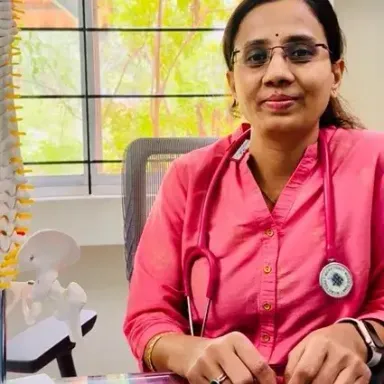
Dr. NEELAMBIKA G. B.

Proctology & General surgery - (Shalya Tantra)

Dr. NEELAMBIKA G. B.

BAMS, MS(Ayurveda), PhD

Dr. NEELAMBIKA G. B. is an Ayurvedic Surgeon with special emphasis on Management of Surgical conditions through Ayurvedic approach and makes the best use of conventional clinical and diagnostic evaluations for the diagnosis and outcomes assessment.

  • 18+ Years of Experience
  • Ano-rectal conditions (Proctology.)
  • Peripheral vascular diseases
  • Orthopaedics & Sports injuries
  • Urinary tract disorders

Reg. 88606/15180 KAUP Board

In person or virtual

Consult about piles (haemorrhoids)